This guide covers DVSA car tests in England, Scotland and Wales. Guidance checked on 23 October 2026.
1. Meet your examiner and settle in
Check your appointment time and test centre address before you leave. Agree the travel plan with your instructor or accompanying driver so you are not rushing.
Bring your UK driving licence and a suitable car. If you passed your theory test in Northern Ireland, bring that certificate too. Check GOV.UK’s list of what to take for any extra documents your circumstances require.
The examiner checks your identity and asks you to sign a declaration about insurance and residency. They explain what the test involves before you drive.
If you feel nervous
Tell the examiner. DVSA’s guidance for examiners says they should offer reassurance if nerves are making things difficult. Before test day, practise with a mock test and talk to your instructor about what worries you.
2. Read a number plate
The examiner asks you to read a parked vehicle’s number plate. The distance is 20 metres for a new-style plate, or 20.5 metres for an old-style plate. New-style plates have two letters followed by two numbers, then three letters.
Wear your glasses or contact lenses if you need them to meet the driving eyesight standard. You must keep using them while driving.
If you fail the eyesight check, the test ends. GOV.UK also says your licence will be revoked. If you have doubts about your sight, arrange an eye test beforehand. Read the full driving eyesight rules.
3. Answer the show me, tell me questions
You answer two vehicle safety questions. The tell me question comes before driving. You explain a safety check, such as how you would check the brakes. Some questions involve opening the bonnet and identifying what you would check.
The show me question comes while you drive. You demonstrate a control when it is safe, such as washing the front windscreen or switching on the rear demister.
Practise in the car you will use. Knowing the answer is easier when you already know where its switches and controls are.
Getting one or both questions wrong counts as one driving fault. Dangerous or potentially dangerous driving while answering the show me question means a fail. Review the official show me, tell me questions with your instructor.
4. Drive on the road and follow directions
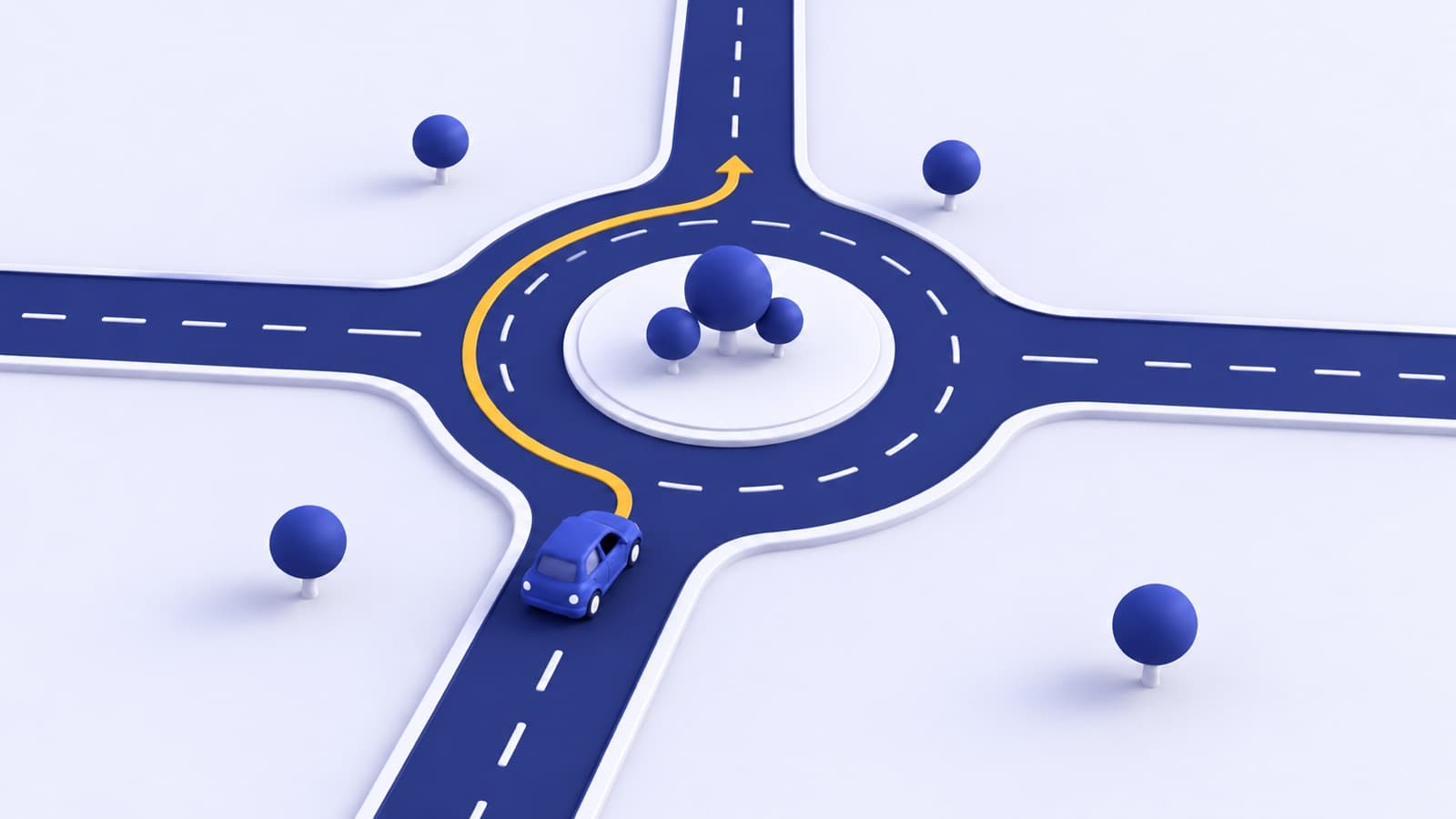
You drive in different road and traffic conditions. Motorways are not included. The examiner gives directions when you are not following a sat nav or signs.
During independent driving, you follow a sat nav, road signs, or a mixture of both. The examiner explains which. If a sat nav is used, they supply and set it up.
The independent driving part can cover much of your drive. This part of the test has changed, so check GOV.UK’s current test guide rather than relying on older timings.
You can ask for directions to be repeated or confirmed. DVSA’s independent driving guidance makes clear that remembering directions is not what is being assessed.
5. Complete a manoeuvre and roadside stops
The manoeuvre can happen at different points during the test. The examiner asks you to complete one of these parking or reversing exercises:
- Parallel park beside the road.
- Park in a bay, either driving in and reversing out, or reversing in and driving out.
- Stop on the right, reverse roughly two car lengths, then safely rejoin traffic.
You also stop and move away at the roadside, including moving out from behind a parked vehicle. Expect a hill start, or an extra designated stop if a hill is not possible. You may be asked to do an emergency stop. Prepare for it even though it is not part of every test.
During manoeuvres, keep checking around you and respond to pedestrians and other vehicles. DVSA’s manoeuvre assessment guidance covers both control and observation. Practise both with your instructor, rather than focusing only on finishing inside the bay lines.
Find an earlier test
Bookman covers all 320 car test centres. It shows open slots at the centres you choose and fills in DVSA’s pages for you. You check and confirm.
6. Get your result and feedback
The examiner tells you whether you have passed when the test finishes. Faults fall into three groups:
- Driving fault: an error that is not potentially dangerous. Repeating the same fault can make it serious.
- Serious fault: something potentially dangerous.
- Dangerous fault: something involving actual danger.
You pass with no more than 15 driving faults and no serious or dangerous faults. People often call these minors and majors. See GOV.UK’s faults and result guidance.
A mistake does not always mean a fail. Keep your attention on the road rather than trying to count faults. Your test result report explains the faults recorded and helps you discuss them with your instructor.
If you pass, you get a certificate and the examiner explains how to get your full licence. You can drive before it arrives, provided your insurance covers driving without supervision.
If you do not pass, listen to the feedback before deciding when to try again. Work on the areas raised with your instructor, then check GOV.UK’s current rebooking rules before choosing another date.